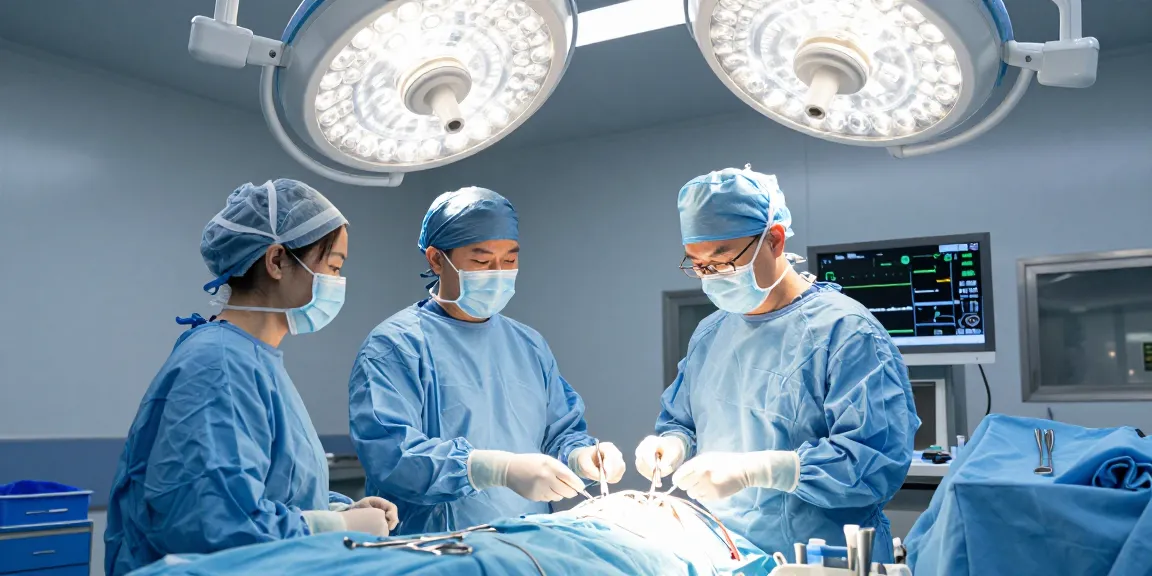
The Importance of Surgical Instruments in Modern Medicine
Surgical instruments are the backbone of any surgical procedure, playing a crucial role in ensuring precision, safety, and efficiency. The quality and functionality of these tools can significantly influence patient outcomes, recovery times, and overall surgical success. As we move toward 2026, the evolution and adaptation of surgical instruments become increasingly important in the rapidly advancing medical field. When exploring options, surgical instruments are essential for achieving optimal surgical results and enhancing the capabilities of medical professionals.
What Are Surgical Instruments?
Surgical instruments refer to a wide array of tools designed specifically for various surgical procedures, including cutting, dissecting, suturing, and handling tissue. They are categorized based on their function, such as cutting instruments (scalpels, scissors), grasping instruments (forceps), and retractors (used to hold back tissues). These tools are meticulously designed to meet specific biomechanical requirements and to ensure surgeons can perform operations with the utmost precision.
Historical Evolution of Surgical Instruments
The evolution of surgical instruments has a rich history that dates back to ancient civilizations. Early surgical tools were often made of stone or bronze, reflecting the materials available at the time. For example, the ancient Egyptians used bronze scalpels and forceps, while the Greeks advanced the design to include more functional forms. The Middle Ages saw the introduction of specialized surgical sets, moving toward the standardization of tools we see today in modern surgical practice. The introduction of stainless steel in the 19th century marked a significant turning point, leading to the development of robust, corrosion-resistant instruments that meet the high hygiene standards required in modern medicine.
Current Trends in Surgical Instruments
As we approach 2026, several trends are shaping the landscape of surgical instruments. One major trend is the increasing incorporation of minimally invasive techniques, which require specialized instruments that reduce tissue damage and promote quicker recovery times for patients. Additionally, there is a growing emphasis on ergonomic designs, which enhance the comfort and usability of instruments for surgeons. Furthermore, advancements in smart technology, such as integrated sensors and imaging capabilities, are beginning to redefine how instruments are utilized in the operating room, offering real-time feedback and improving surgical precision.
Types of Surgical Instruments and Their Uses
Essential Surgical Instruments for Various Procedures
Understanding the types of surgical instruments used in different procedures is critical for surgical success. Essential tools include:
- Scalpels: Used for making incisions.
- Scissors: Employed for cutting tissue or sutures.
- Forceps: Grasping and holding tissues during surgery.
- Needle Holders: Secure needles while suturing.
- Hemostats: Control bleeding by clamping blood vessels.
Each instrument serves a distinct purpose and is vital for the specific demands of surgical procedures.
Innovative Designs in Surgical Instruments
The design of surgical instruments is constantly evolving to meet the needs of modern surgical practices. Innovations include:
- Endoscopic instruments: Compact tools designed for use in minimally invasive surgeries.
- Reusable vs. disposable instruments: A shift towards the use of single-use instruments to enhance safety and reduce the risk of infections.
- 3D printed instruments: Custom-fabricated tools that are tailored to the specific anatomy of patients, enhancing surgical outcomes.
Choosing the Right Surgical Instruments for Specific Surgeries
Selecting the proper instruments for surgical procedures is crucial for ensuring success and patient safety. Factors to consider include:
- The type of procedure being performed.
- Surgeon's familiarity and comfort with specific tools.
- Instrument material and design, which can affect usability.
Surgeons often collaborate with manufacturers and surgical teams to ensure the correct instruments are available and ready for use.
Best Practices for Maintaining Surgical Instruments
Cleaning and Sterilization Techniques
Proper maintenance of surgical instruments is essential to prevent infections and ensure the longevity of tools. Cleaning and sterilization protocols include:
- Immediate cleaning post-surgery to remove organic debris.
- Ultrasonic cleaning for thorough removal of contaminants.
- Autoclaving to ensure sterilization, eliminating all microorganisms.
Establishing a standard operating procedure for cleaning will improve the effectiveness of the instruments used in surgeries.
Storage Solutions for Surgical Instruments
Storing surgical instruments properly is just as important as cleaning them. Effective storage practices involve:
- Using instrument trays to prevent damage and contamination.
- Organizing instruments according to surgical sets for easy access.
- Regularly inspecting storage conditions to ensure they meet safety standards.
Regular Inspection and Lifecycle Management
Regular inspections of surgical instruments are vital to maintain their functionality. This includes:
- Identifying signs of wear and tear.
- Documenting and tracking instrument usage to monitor lifespan.
- Replacing instruments that no longer meet safety or efficacy standards.
Implementing a comprehensive lifecycle management plan can significantly reduce the likelihood of instrument failure during surgeries.
Challenges in the Use of Surgical Instruments
Common Misconceptions About Surgical Instruments
Misconceptions can lead to improper usage of surgical instruments. A few common myths include:
- The belief that all instruments can be used interchangeably without consequences.
- Assuming that sterilization guarantees safety without proper cleaning.
- Overlooking the importance of instrument ergonomics in surgical procedures.
Handling Errors and Their Consequences
Handling errors with surgical instruments can have serious consequences, including:
- Increased risk of surgical site infections.
- Longer recovery times due to complications.
- Potentially life-threatening situations if instruments are not handled correctly.
Addressing Supply Chain Issues in Surgical Instrument Procurement
The global supply chain for surgical instruments faces challenges such as:
- Increased demand leading to shortages.
- Logistical issues that delay delivery of needed instruments.
- Quality control problems from overseas manufacturers.
Healthcare facilities must develop strategies to address these issues, including diversifying suppliers and maintaining adequate inventory levels.
The Future of Surgical Instruments
Technological Advances in Surgical Instruments for 2026
Looking ahead to 2026, the future of surgical instruments appears promising, with advancements in technology driving innovation. Key areas of development include:
- Integration of AI for enhanced precision and predictive analytics during surgical procedures.
- Increased use of robotic systems that can perform complex tasks with higher accuracy.
- Development of biodegradable instruments to reduce environmental impact.
Predictions for Surgical Instrument Development
Experts predict a shift toward more personalized surgical instruments, tailored to individual patient anatomy via 3D printing technology. This customization could improve surgical outcomes and reduce complications.
Preparing for Future Trends in Surgical Procedures
To adapt to upcoming trends, healthcare providers must invest in training and education for surgical teams, ensuring they are well-versed in new technologies and methodologies. This involves:
- Regularly scheduled training sessions to familiarize staff with innovative instruments.
- Collaborating with manufacturers to stay updated on the latest designs and safety protocols.
- Engaging in continual professional development to enhance skills related to new surgical techniques.
What are the most common surgical instruments used?
Common surgical instruments include scalpels, scissors, forceps, and hemostats, each serving vital roles in various surgical processes.
How do I maintain surgical instruments properly?
Maintenance involves thorough cleaning, sterilization, appropriate storage, and regular inspections to guarantee functionality and prevent infections.
What innovations are emerging in surgical instruments?
Emerging innovations include smart technology integration, 3D printed instruments, and enhancements in minimally invasive surgical tools.
Why is cleaning surgical instruments crucial?
Cleaning surgical instruments is vital to eliminate pathogens and contaminants, thereby reducing the risk of surgical site infections and ensuring patient safety.
What challenges do hospitals face with surgical instruments?
Hospitals face challenges such as supply chain issues, handling errors, and misconceptions regarding the use and maintenance of surgical instruments.